Solar energy is no longer a sustainability statement — it is the most cost-effective source of electricity for commercial and industrial users in India today. With grid tariffs crossing ₹8–10/kWh for HT industrial consumers, a well-engineered solar system by R. R. Aqua Products Private Limited delivers unlevered equity returns of 18–26% per year with payback periods of 3–5 years. We specify projects to current international standards: IEEE 1547, IEC 61724, and MNRE/DISCOM norms.
Solar PV Architecture
Choosing the Right System
The correct system architecture determines your ROI, energy independence, and resilience to grid outages.
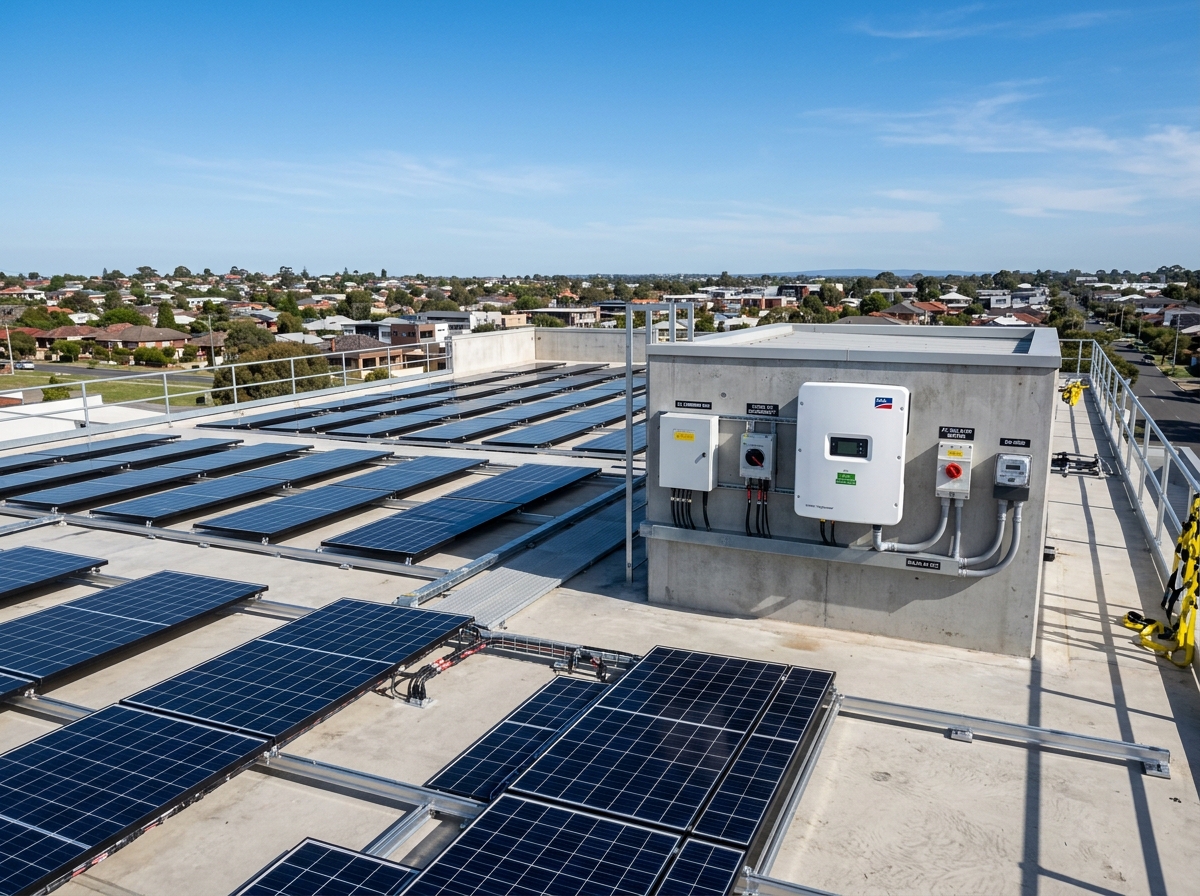
Grid-Tied Solar Systems
Connects directly to the utility grid via a string or central inverter, with no battery storage. Every unit of solar energy generated offsets grid consumption or is exported under net/gross metering.
- Best For: Day-time operations, offices, high grid-reliability sites.
- Standard: IEEE 1547 compliant inverters, anti-islanding.
- Incentives: Eligible for Accelerated Depreciation (AD).
Hybrid Systems (BESS)
Combines PV generation with a Battery Energy Storage System (BESS) while remaining grid-connected. Enables load shifting, peak demand shaving, and critical load islanding.
- Peak Shaving: Reduces HT maximum demand charges.
- Load Shifting: Store midday solar for evening peak tariffs.
- Best For: Hospitals, data centres, evening-shift food processing.
Energy Storage
Lithium Iron Phosphate (LiFePO4)
LFP chemistry is the only BESS technology R.R. Aqua recommends for commercial and industrial applications due to superior cycle life, thermal stability, and levelized cost of storage.
| Parameter | LFP (LiFePO4) | NMC (Lithium NMC) | Lead-Acid |
|---|---|---|---|
| Cycle Life | 6,000 – 10,000 cycles | 2,000 – 4,000 cycles | 300 – 700 cycles |
| Thermal Stability | Excellent (no runaway) | Moderate risk | Good |
| Cost (2025) | <$80/kWh | ~$90-110/kWh | ~$120-150/kWh (TCO) |
| DoD (Depth of Discharge) | 90–95% | 80–90% | 50% |
| 10-Year TCO | Lowest | Moderate | Highest |
LFP batteries can be discharged to 90–95% DoD daily without significant capacity degradation. Best choice over a 10–15-year project life.
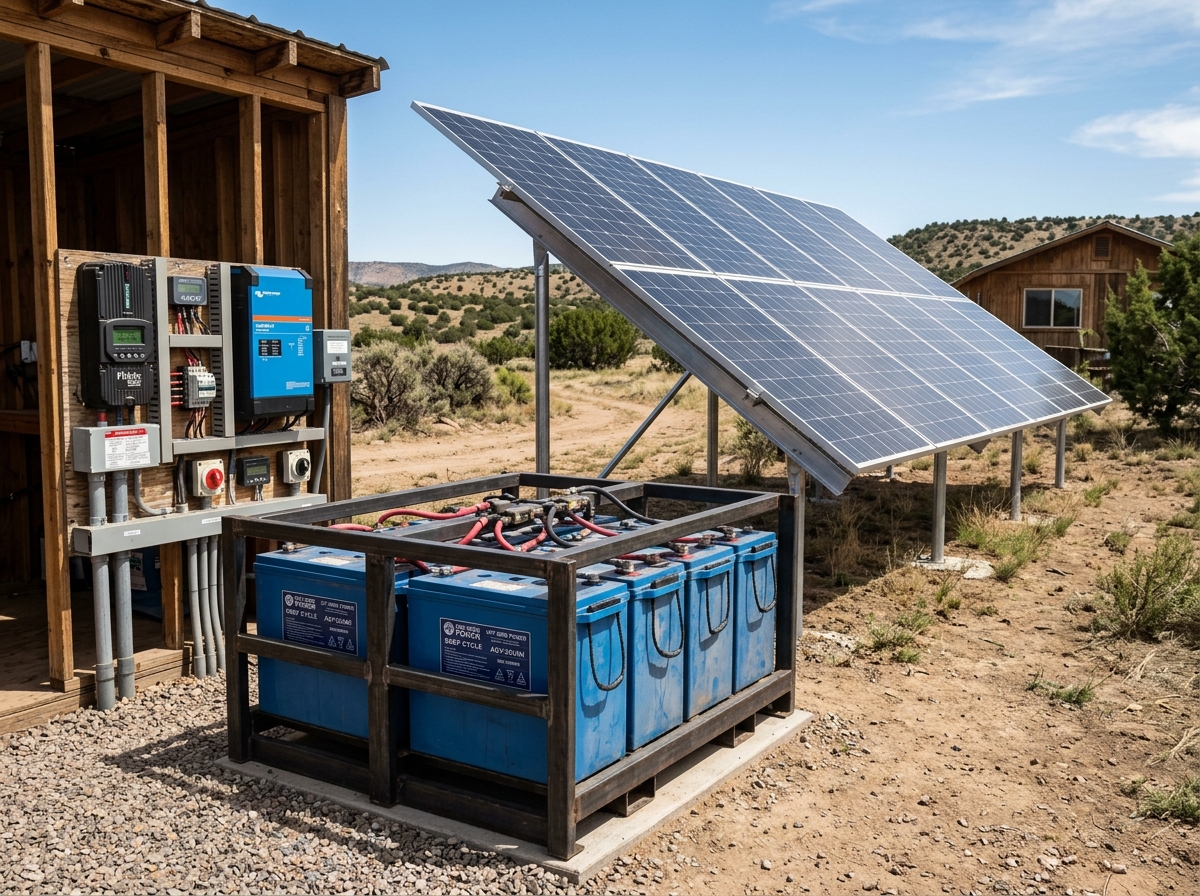
Standalone Off-Grid Systems
Designed for remote agricultural installations, construction sites, aquaculture pumps, and telecom towers where grid connection costs are prohibitive.
- Controllers: MPPT for optimized charging across all irradiance.
- Storage: Deep-cycle LFP sized for 1-3 days autonomy.
Solar Thermal & Dryers
Replacing electric boilers and diesel burners with Solar Water Heaters (ETC/FPC types) reaching up to 85°C. Industrial greenhouse/tunnel solar dryers for spices, copra, and fish processing.
- Efficiency: Rapid ROI for boiler feed-water preheating.
- Drying: Polycarbonate multi-wall glazing with forced convection.
Expertise & Clarifications
Frequently Asked Questions
Mono PERC is the older standard (20-21% efficiency). TOPCon (Tunnel Oxide Passivated Contact) and HJT (Heterojunction) represent the current generation, offering 22-23% efficiency and significantly lower degradation. We exclusively specify TOPCon or HJT for commercial projects.
Yes. Under Section 32 of the Income Tax Act, commercial and industrial entities can claim 40% Accelerated Depreciation on solar PV projects in the first year, which significantly reduces the effective capital cost and shortens the payback period.
No. Standard grid-tied inverters feature 'anti-islanding' protection and must shut down when the grid fails, to protect line workers. If you want solar power during grid outages, you must install a Hybrid system (with BESS).
Lead-acid batteries last 3-5 years and can only be discharged to 50% capacity. LFP (Lithium Iron Phosphate) batteries last 10-15 years, can be safely discharged to 95%, charge faster, and require zero maintenance.